
Primary Identity Reference
Choose a reference with clear face and hair details and keep it as the main appearance guide for later images.
Nano Banana Character Consistency
Keep a Character Recognizable across Scenes, Poses and Outfits.
Start with a clear character reference, keep identity descriptions stable, then change scenes and actions gradually. Explore prompts for image series, per-image review and rollback when faces or hairstyles drift.
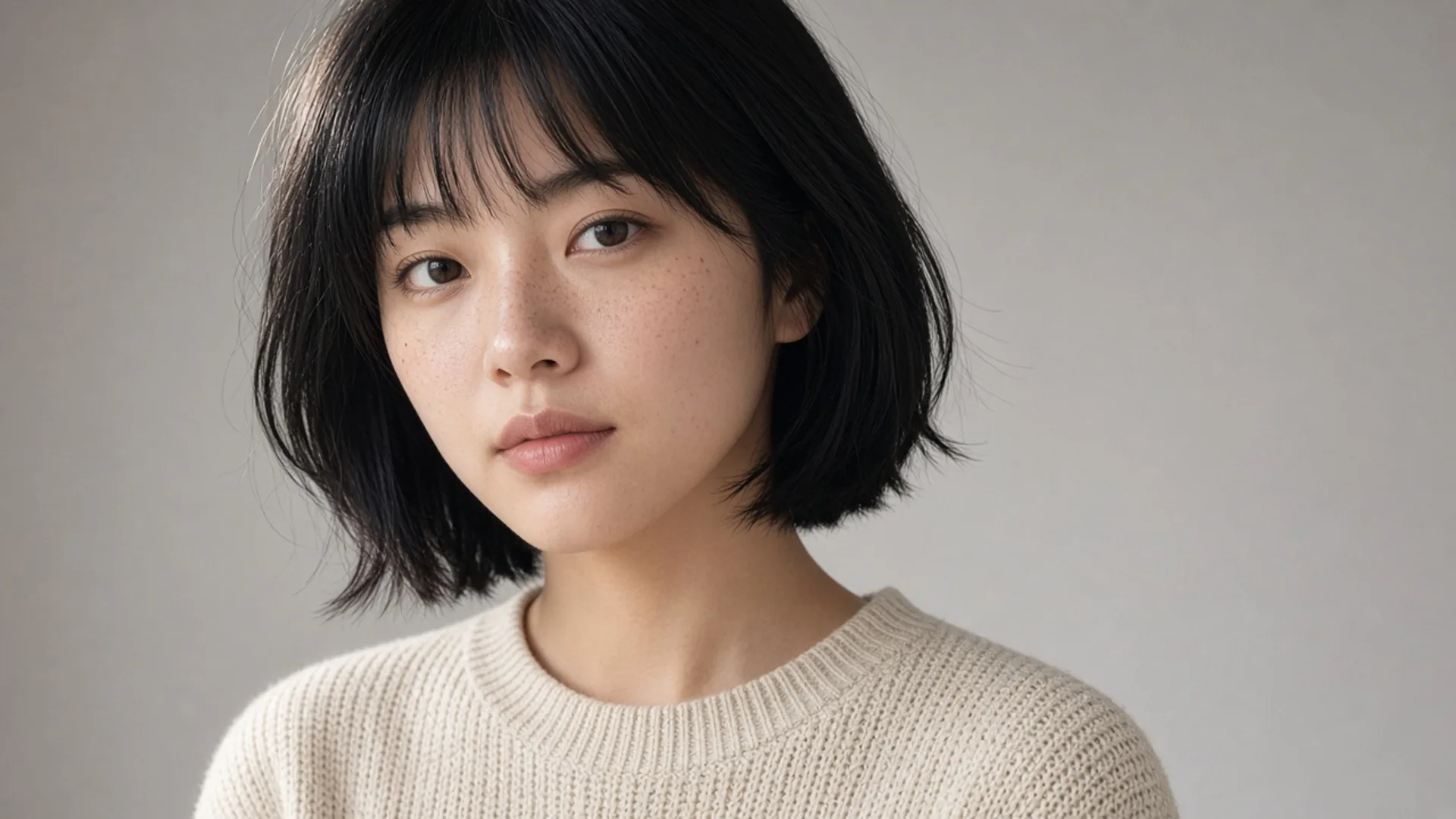
Nano Banana character consistency concerns whether a person remains recognizable across images through facial structure, hair, apparent age and distinctive accessories. It does not mean pixel-identical images or guarantee unchanged identity in one generation. Clear references, stable descriptions and repeated review support the workflow.
Choose a reference with clear face and hair details and keep it as the main appearance guide for later images.
Keep key descriptions of facial structure, hair, apparent age and accessories consistent instead of repeatedly redefining identity.
Separate identity features from setting, pose and clothing and state which of those changes in the current image.
Try one setting or pose change before combining larger differences so the source of drift is easier to identify.
Keep the original reference and intermediate results and compare faces, hair and proportions, restarting from a better version when needed.
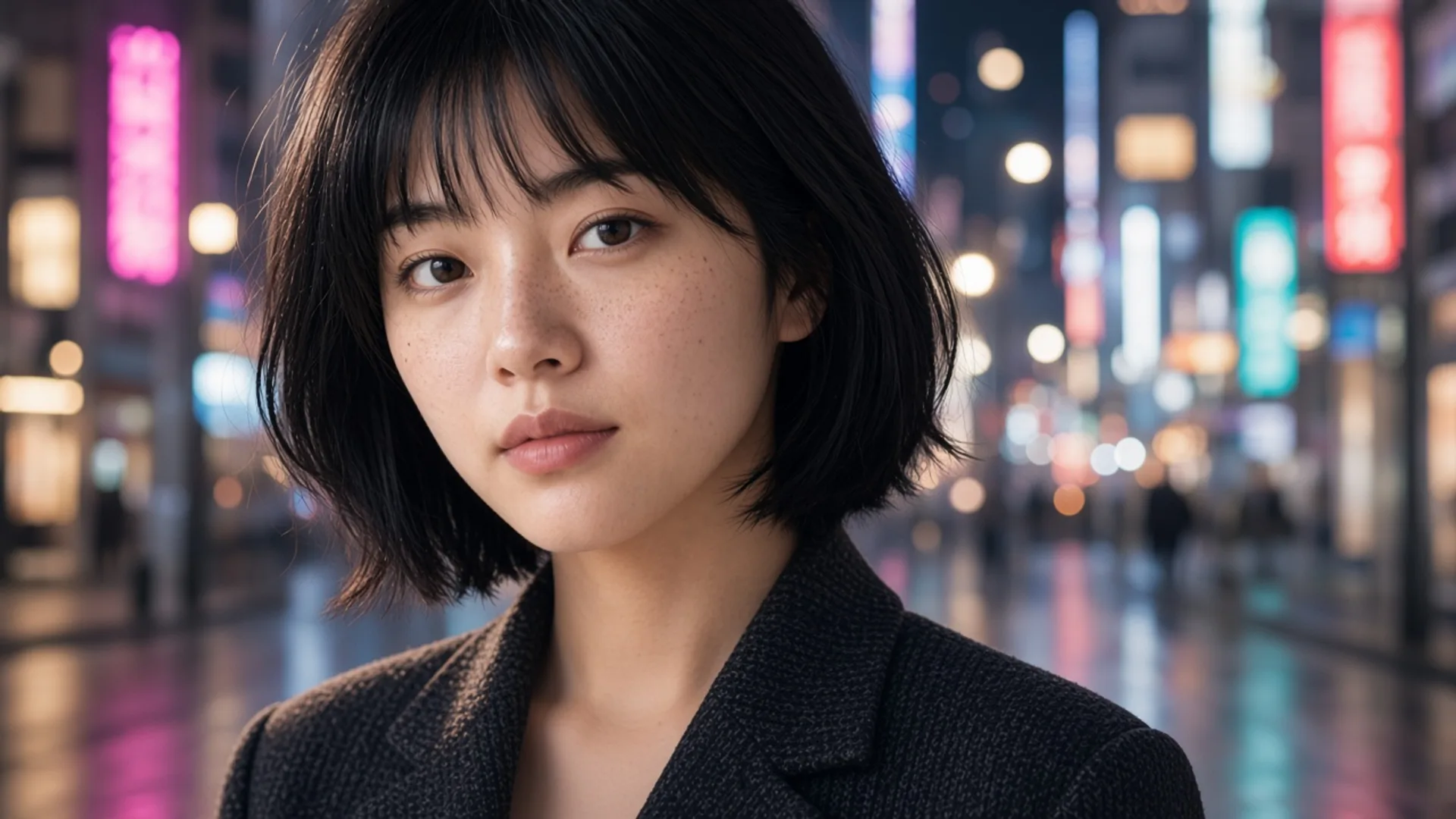
Different Scene
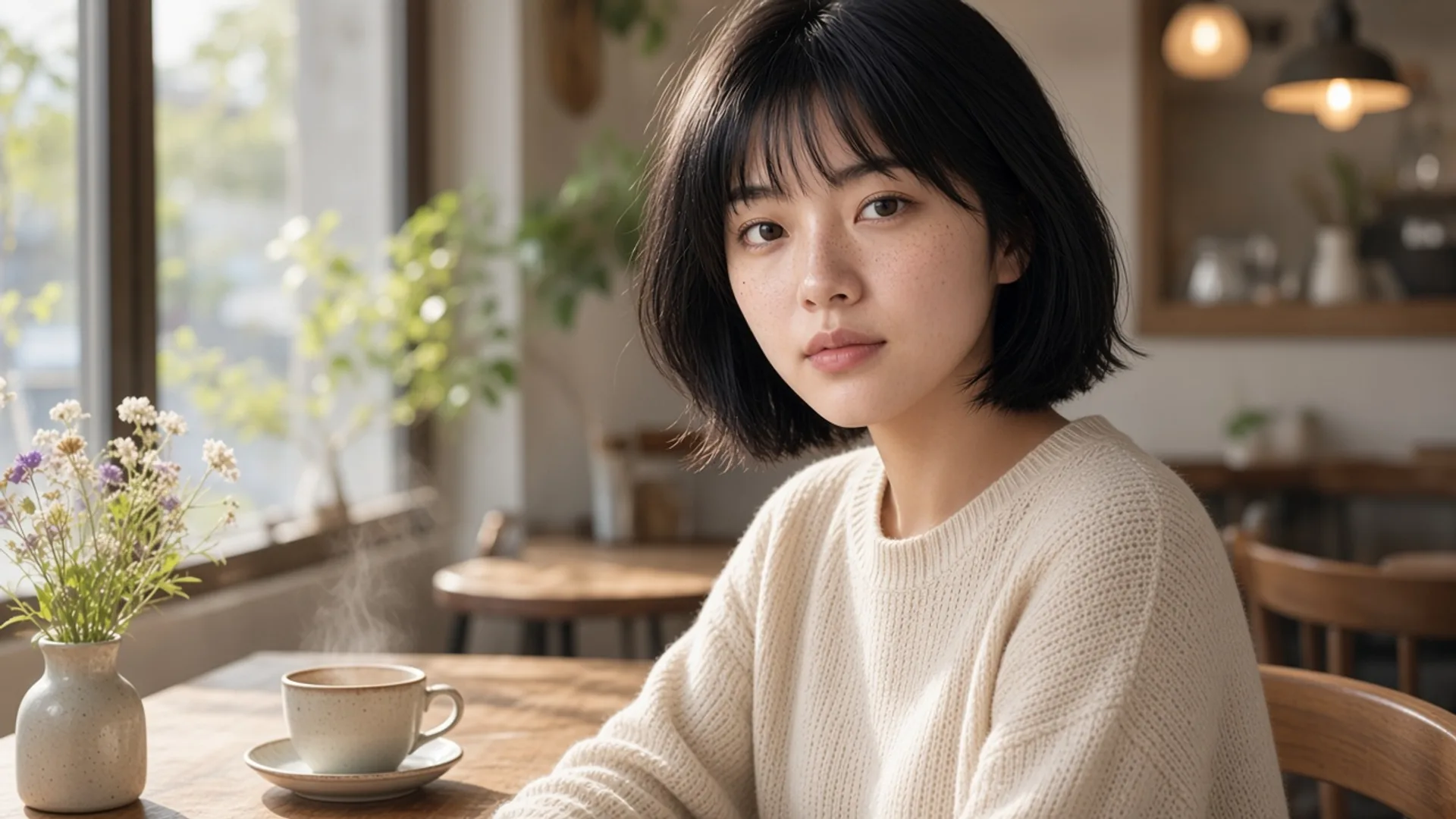
Different Pose
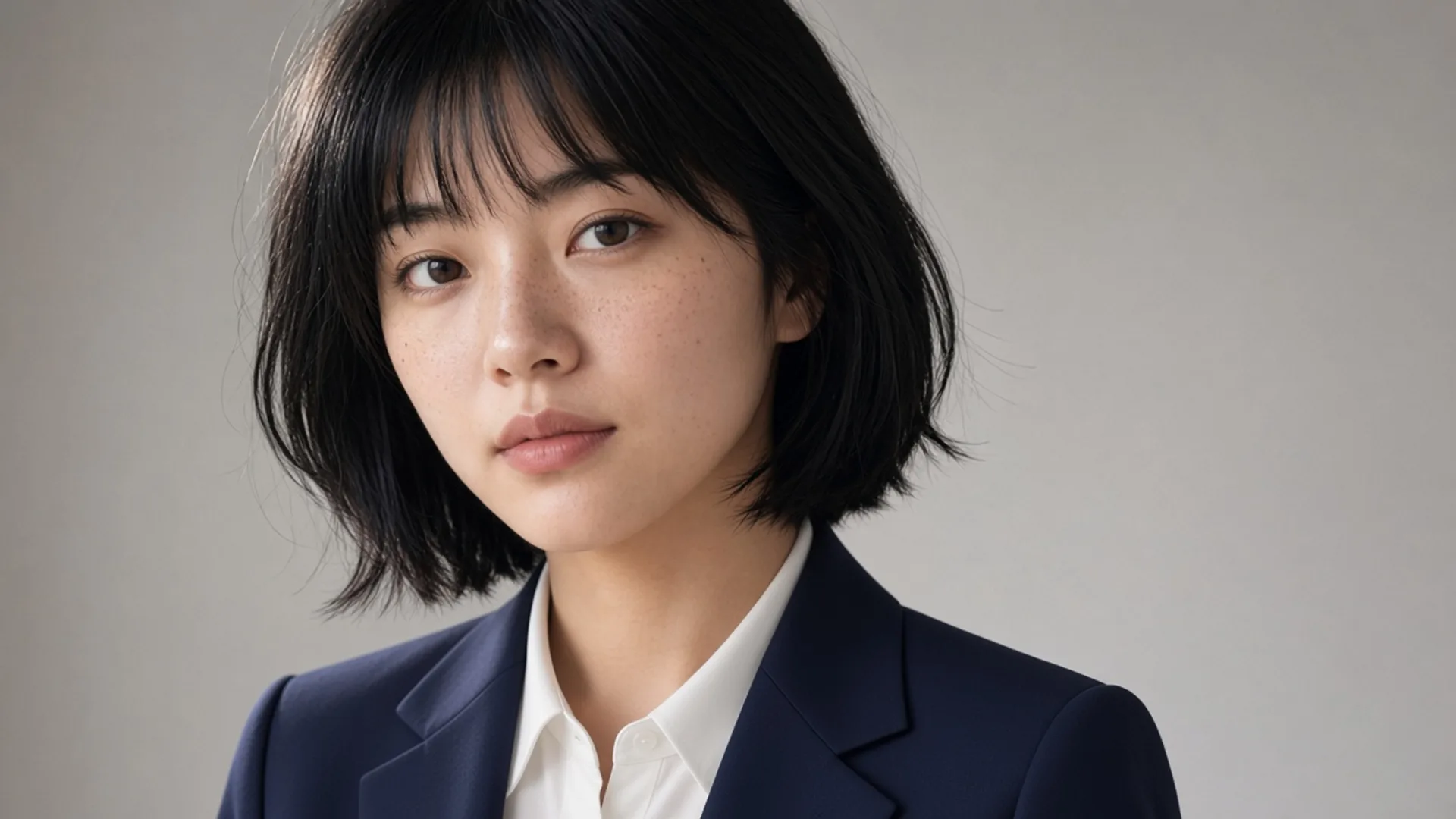
Different Outfit
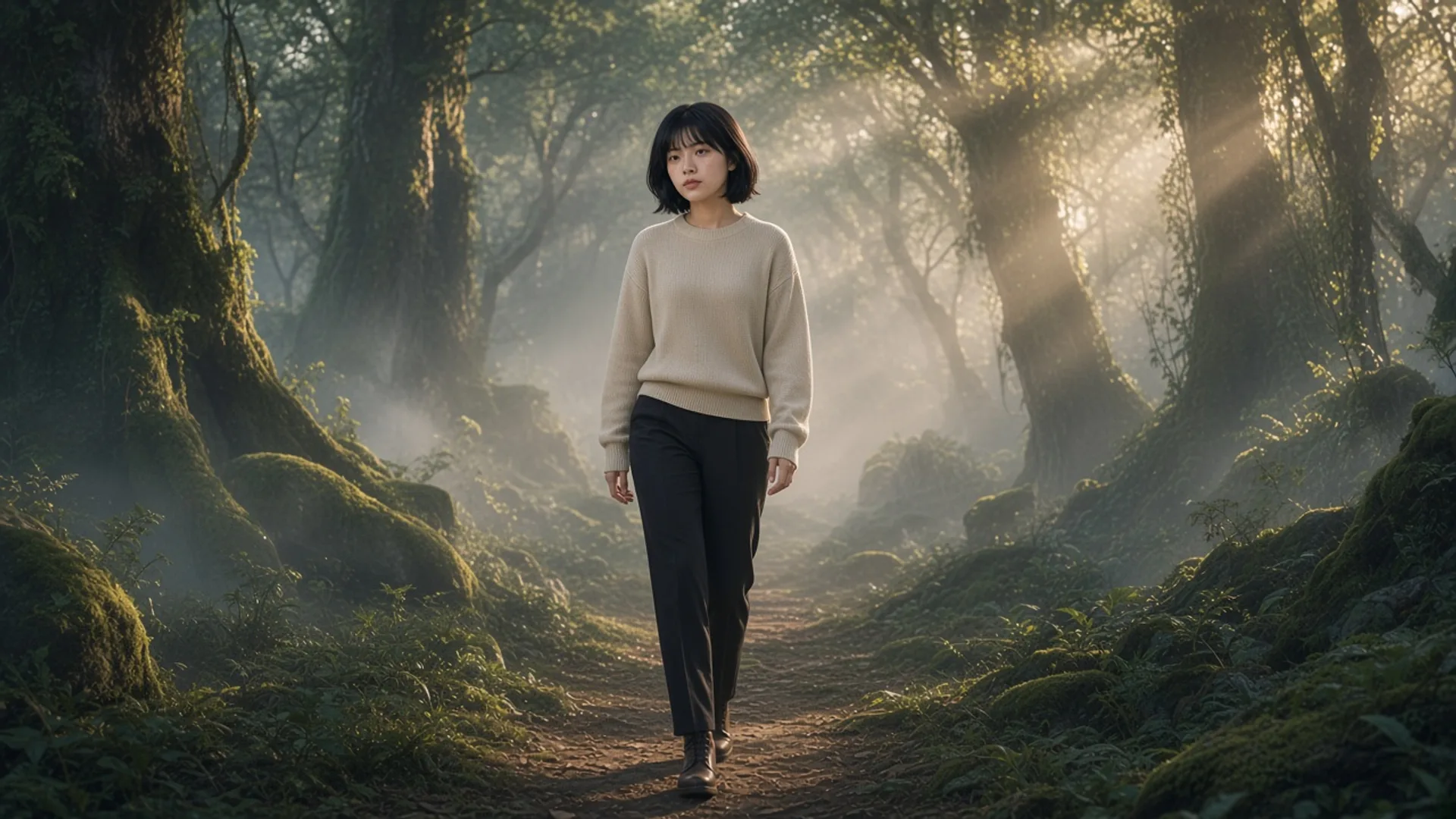
Different Environment
01
Choose visible features with limited obstruction. If generating the character first, select a satisfactory version as the continuing guide instead of replacing the main reference every turn.
02
Describe facial structure, hair, apparent age and a few distinctive details. If clothes will change, do not accidentally define the original outfit as a permanent identity feature.
03
State whether this image changes the background, action, camera or outfit and explicitly continue the same character, keeping other descriptions stable.
04
Check recognizability in similar views and settings before larger pose changes or complex scenes. For several people, assign identity references and positions separately.
05
Inspect eyes, face shape, hairline, accessories and proportions. Correct the most important mismatch first; if successive edits drift further, return to the primary reference or a better intermediate result.
Use the original character in the reference as the same person, retaining face shape, eye features, short black hair and freckles. Place the character on a city street at dusk with half-length framing, a natural expression and softly blurred neon lights. Change the setting and lighting without replacing the appearance.
Continue the same original character, retaining face, hair, apparent age and dark top. Seat the character at a cafe table with the body turned slightly and a recognizable three-quarter facial view. Use natural proportions and soft window light without also changing clothing or main appearance features.
Retain the reference character’s face, short black hair, freckles and proportions, changing the coat to a simple dark green long coat. Keep an eye-level viewpoint, natural standing pose and light background. Prioritize identity while treating coat color and cut as the current change.
Continue the same original character and key appearance from the primary reference. Create the next story scene on a forest path in morning mist, with the same outfit and medium framing. Change the environment and atmosphere while retaining face shape, hair and distinctive details. Review identity before developing the scene further.
Explore reference-guided work and iterative editing, reviewing identity across saved versions of the same character.
Compare it when complex scenes, product design or text layouts are also involved.
Focused on speed and lightweight creation; fast generation is not the same as complex identity-consistency capability.
Use reference images to guide subjects, products, characters, styles, and compositions.
Combine multiple images to guide a single visual result.
Generate new images from natural-language prompts.
Edit existing images with natural-language instructions.
Create images that include typography, labels, posters, menus, and other text-heavy visuals.
Transform image styles while preserving important visual elements.
Practice references, controlled changes and result review.