Nano Banana
What Is Nano Banana 2 Lite? - An Overview of Google's New AI Image Model
Nano Banana AI6 min read
Contents+
If you searched What Is Nano Banana 2 Lite, you probably want a straight answer—not another buzzword stack. Is it a new model, a lite build of Nano Banana 2, or just another name for Gemini 2.5 Flash Image?
This overview keeps the path short: what Nano Banana 2 Lite is, how it relates to Nano Banana and Gemini, what it can do, how Lite differs from the full Nano Banana 2 path, who it fits, and a quick start so you can decide whether to dive deeper.
What Nano Banana 2 Lite Is
Nano Banana 2 Lite is the lighter, high-frequency lane inside the Nano Banana 2 family. It targets fast visual work: get a directionally right first frame, then refine through conversational edits. Under the hood it rides Google Gemini image capabilities—the stack creators often call Gemini 2.5 Flash Image.
Think of it in three layers:
| Layer | Common name | Focus |
|---|---|---|
| Brand shorthand | Nano Banana, Nano Banana AI | Creator-facing name for Google’s generate-and-edit image stack |
| Current generation | Nano Banana 2 | Full text-to-image, chat edits, consistency, and multi-image blend |
| Lightweight entry | Nano Banana 2 Lite | Shorter prompts, faster scouting, lower cognitive load for daily output |
Lite is not a crippled model. It packages the most common habits into a lighter default path: structured prompts, one change per edit turn, and fast results across portraits, products, scenes, anime, and CG.
On nanobanana-ai.us, Nano Banana 2 Lite sits alongside the full Nano Banana 2 handbook and Lite prompt guide so you can pick the right lane per task.
How It Relates to Nano Banana, Nano Banana 2, and Gemini
Three names often show up together. Here is the clean map:
- Gemini 2.5 Flash Image — Google’s official technical name for the image generation and editing capability
- Nano Banana / Nano Banana 2 — How creators and search usually refer to the same stack
- Nano Banana 2 Lite — A lighter usage path on top of Nano Banana 2: faster first frames, shorter prompts, everyday workflows
Seeing “Nano Banana,” “Google AI image model,” and “Gemini image” in the same results is normal. They describe one ecosystem from different angles: official capability, creator brand, and lightweight entry point.
What Nano Banana 2 Lite Can Do
Based on public capabilities and common workflows, Nano Banana 2 Lite excels at:
Text-to-image
Describe subject, scene, style, and light in natural language. Get a usable draft or near-final still—covers, social posts, concept boards, and product photography.
Conversational image editing
Keep working on the same frame. Change background, adjust light, remove clutter, or recolor an object—one focus per turn to limit drift.
Multi-style generation
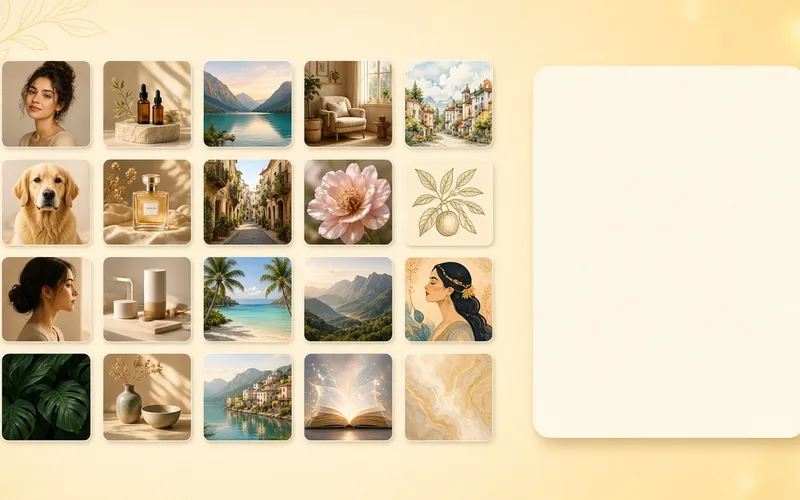
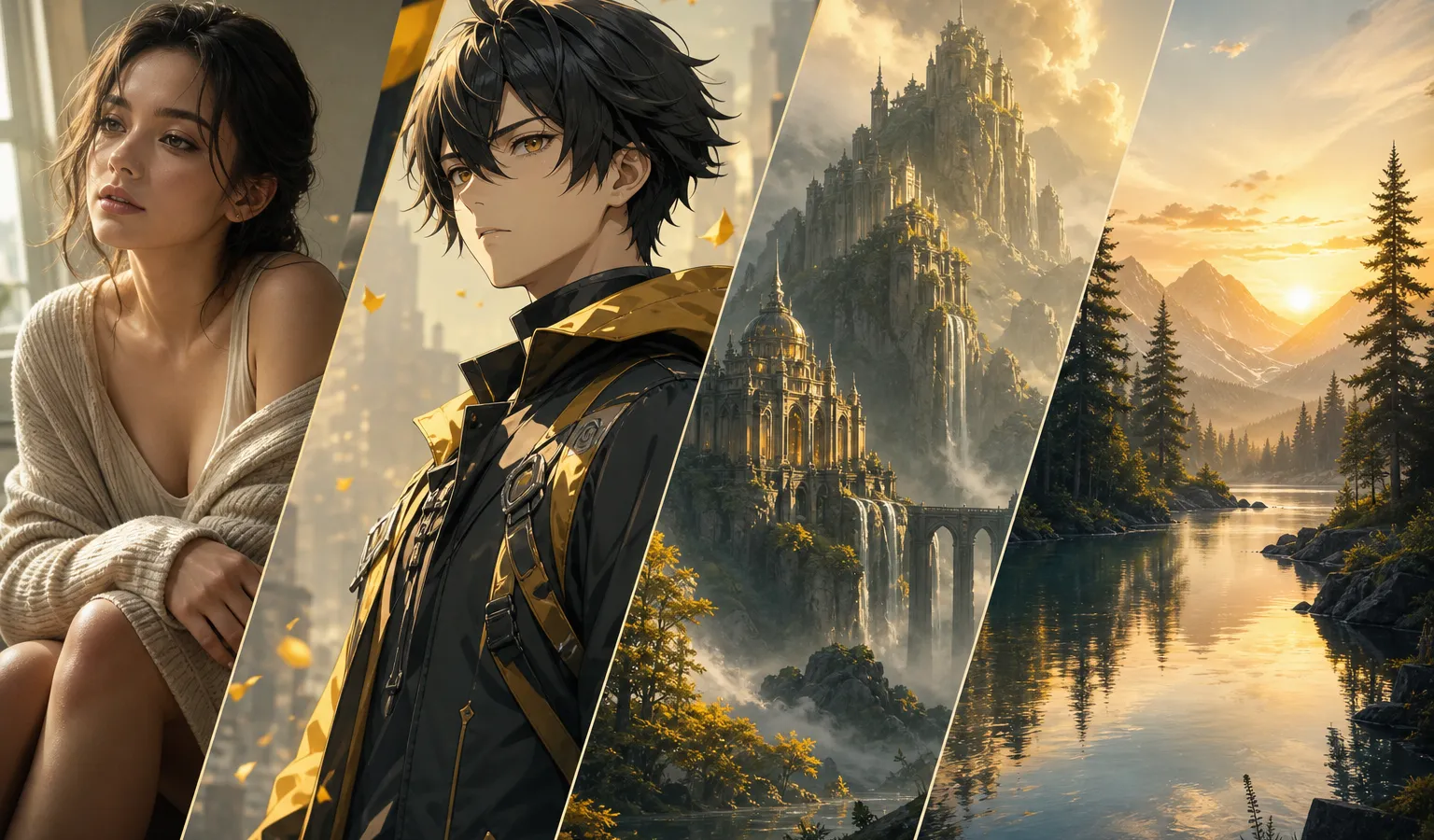
One prompt structure can cover photoreal portraits, anime characters, CG environments, landscapes, and still life—the everyday mix Lite users ask for most.
Character and product consistency
Hold the same subject across a series: posters, storyboards, or brand grids without redrawing identity every time.
Multi-image reference and blend
Upload references and say what to keep, swap, or merge—wardrobe changes, scene inserts, and composite workflows.
Lite vs Full Nano Banana 2
| Dimension | Nano Banana 2 Lite | Full Nano Banana 2 path |
|---|---|---|
| Cognitive load | Shorter prompts, faster first frame | Fuller handbook-level workflow |
| Best for | Daily output, quick scouting, single-image polish | Series assets, complex consistency, long projects |
| Learning curve | Low—great for newcomers and high-frequency light users | Medium—for creators who want fixed pipelines |
| Typical rhythm | One prompt → two chat turns → export | Scout frame → staged retouch → template reuse |
If you only want to test whether Google’s new AI image model works for you, Nano Banana 2 Lite is usually the fastest start. For full ecommerce or IP series work, the Nano Banana 2 handbook is the better next step.
Who It’s For
- Content creators — Covers, thumbnails, portraits, and stylized social art
- Designers and illustrators — Fast concept boards, then dialogue to lock direction
- Marketing and ecommerce — Product scene swaps and campaign hero variants
- Anime and CG enthusiasts — Characters, environments, and style exploration
- Newcomers to AI art — No long parameter lists to memorize first
It is a poor fit as a “zero-prompt auto-deliver” button. Clearer structure and tighter per-turn instructions usually mean stabler Nano Banana 2 Lite results.
Quick Start
- Open nanobanana-ai.us and enter the Nano Banana workbench.
- Write a prompt ordered subject → scene → style → lighting, or upload a reference image.
- After the first image, change one detail per turn (background, light, or composition) until it matches your goal.
Workbench:
https://app.nanobanana-ai.us/en/generate/image-tools/nano/
Ceramic mug and notebook on a desk by a window, afternoon side light, shallow depth of field, clean still-life photographyKeep the subject unchanged. Replace only the background with a dusk shoreline. Leave everything else as stable as possible.For shorter prompt habits, read the site’s Nano Banana 2 Lite Prompt Guide next.
FAQ
Is Nano Banana 2 Lite free?
Quotas, resolution, and available features depend on the workbench and official product terms. This site explains capabilities and usage; live limits are shown in the app.
Is Lite the same model as Nano Banana 2?
Nano Banana 2 Lite emphasizes a lighter usage path and high-frequency defaults. Full Nano Banana 2 covers longer creation chains and template reuse. Both sit in the same Google Gemini image ecosystem.
How is it different from Midjourney or Stable Diffusion?
Nano Banana 2 Lite leans on natural-language conversational editing and multimodal understanding—better for “generate first, then chat to finish” than parameter-only rerolls. Your choice depends on whether you need that full edit chain.
What should beginners read first?
Start here for “what Lite is,” then the Lite prompt guide and conversational editing posts, then the Nano Banana 2 handbook to lock a workflow.
Conclusion
Nano Banana 2 Lite is the lightweight entry in the Nano Banana 2 family: built on Google Gemini 2.5 Flash Image capabilities, with shorter prompts and a lighter edit rhythm for portraits, anime, CG, scenes, landscapes, and still life.
If you are weighing whether to try Google’s new AI image model, the shortest test is one workbench generation plus two focused edit turns. Open the Nano Banana workbench, scout a first frame, and chat it into shape. Ceiling height rarely comes from longer prompts alone—it comes from clearer structure and restrained multi-turn direction.